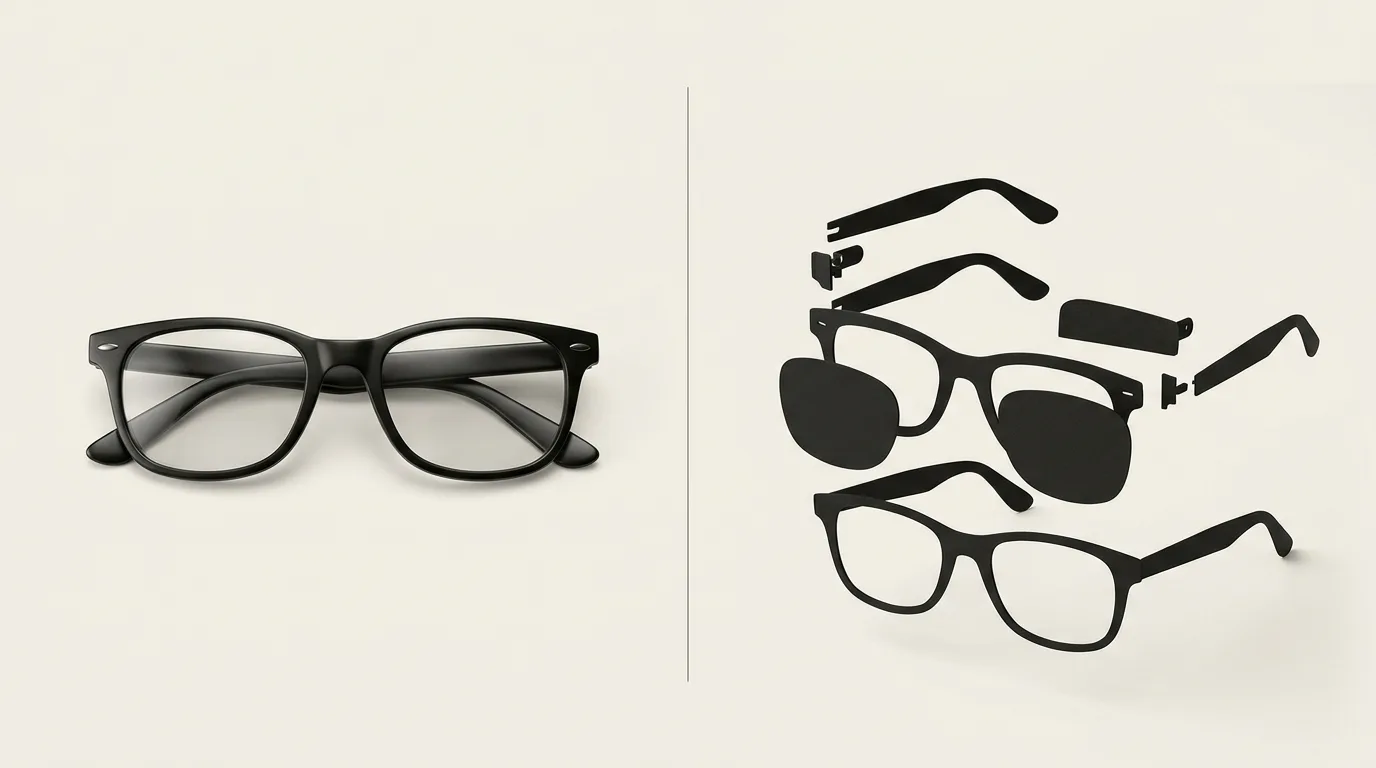
What Is PBR Rendering?
Physically Based Rendering (PBR) is a rendering approach that simulates how light interacts with surfaces in the real world. Unlike traditional rendering techniques, PBR uses physics-based models to achieve consistent, realistic results across all lighting conditions.
Key PBR Properties
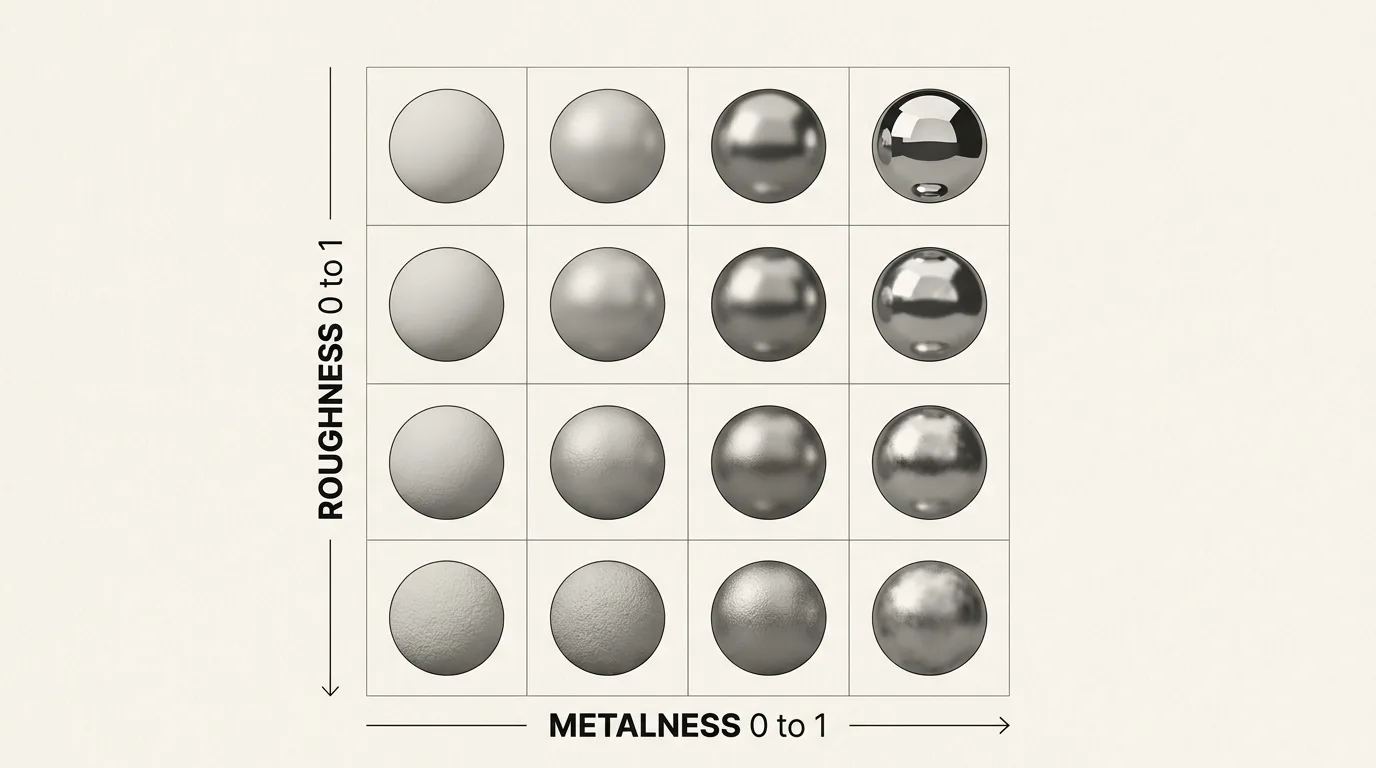
Every material in a PBR pipeline is defined by a few core parameters:
- Albedo (Base Color) — The surface color without any lighting effects
- Metalness — How metallic the surface appears (0 = dielectric, 1 = metal)
- Roughness — How rough or smooth the surface is (0 = mirror, 1 = matte)
- Normal Map — Surface detail without additional geometry
- Ambient Occlusion — Subtle shadowing in crevices
Why PBR Matters for Virtual Try-On
When shoppers try on eyewear or watches virtually, realism is everything. If materials look flat or lighting feels wrong, the experience breaks down. PBR ensures:
- Metal frames reflect the environment accurately
- Acetate materials show proper translucency
- Lens coatings display realistic reflections and tints
- Leather straps have convincing surface texture
HDR Environment Mapping
PBR rendering alone isn't enough — you need proper lighting. HDR (High Dynamic Range) environment maps capture real-world lighting data and use it to illuminate 3D objects.
Our pipeline uses cubemap HDR environments that provide:
- 360° lighting information
- Accurate reflections on metallic surfaces
- Soft, natural shadow falloff
- Consistent appearance across devices
Performance at Scale
Running PBR rendering in a browser requires careful optimization. Our WebGL-based engine achieves 60fps through:
- Instanced rendering for repeated geometry
- LOD (Level of Detail) management
- Texture compression with KTX2 format
- GPU-accelerated post-processing
The result? Photorealistic product visualization that runs smoothly on everything from flagship phones to budget laptops. See it in action.
This article is part of The Complete Guide to Virtual Try-On in Ecommerce — our full breakdown of try-on types, product categories, ROI, and platform options.